The Strategic Artistry of Rose Colored Script
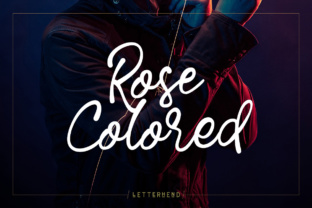
In a world of digital communication dominated by clean, geometric sans-serif fonts, the choice to employ a distinctive handwriting script like Rose Colored Script is a deliberate strategic act. It is not merely a selection from a dropdown menu; it is a decision that injects personality, emotion, and a specific aesthetic direction into your visual communications. Rose Colored Script, as a beautifully crafted font with a pronounced feminine touch, offers a unique tool for creators and businesses aiming to connect on a more human, aspirational level. Understanding its potential and applying it thoughtfully can transform it from a simple design element into a strategic asset for branding, engagement, and positioning.
Beyond the Font: Defining Your Visual Voice
Rose Colored Script is more than its flowing letters and elegant connectors. It is a visual voice. When you use this handwriting script, you are implicitly communicating values such as elegance, personal care, romance, creativity, and a soft sophistication. This makes it a powerful ally for projects that require an emotional resonance. For entrepreneurs and marketers, the font becomes a shorthand for a brand’s personality. A logo crafted with Rose Colored Script immediately tells a story—one of craftsmanship, attention to detail, and a focus on experiences that are beautiful and personal. This immediate, subconscious communication is a strategic advantage in crowded marketplaces.
Consider the practical implications for positioning. A bakery specializing in wedding cakes uses a rigid, corporate font for its logo. Another uses Rose Colored Script. Instantly, the second bakery positions itself as intimately connected to celebration, artistry, and the emotional journey of its clients. The font choice supports the business’s core offering and target customer experience. It is a foundational decision that influences all subsequent communications—from the wedding invitation designs it might also create to the quotes featured on its social media. The font aligns operations with branding, creating a cohesive and authentic narrative.
Intentional Application: Key Use Cases and Planning
Randomly applying Rose Colored Script to any project dilutes its power and can confuse your audience. Strategic use requires matching the font’s inherent qualities to the goals of the project. Its beautifully crafted nature makes it perfect for applications where the design itself is a central part of the value proposition.
Elevating Brand Identity and Logos
For small business owners, freelancers, and creators in industries like fashion, beauty, wellness, bespoke crafts, and wedding planning, Rose Colored Script can form the cornerstone of a visual identity. When planning a logo, consider if your brand’s long-term results depend on conveying warmth and personal connection. A logo using this script sets a tone that can be carried through packaging, website headers, and branded merchandise. The key is consistency; the font should be a deliberate choice that appears in key touchpoints, not an occasional decorative flare.
Crafting Resonant Marketing and Editorial Content
Bloggers, publishers, and educators can use Rose Colored Script strategically within content, not as body text, but as a design accent. Using it for pull quotes, key headers in inspirational articles, or the titles of downloadable guides can elevate the perceived value of the content. It signals that the material is thoughtful, crafted, and worth the reader’s attention. For example, a lifestyle blog focusing on self-care might use the script for the titles of its “Weekly Affirmation” series, visually reinforcing the theme of personal, handwritten encouragement.
Designing Products with Emotional Appeal
The application on apparel designs, poster art, and invitation suites is where Rose Colored Script shines operationally. For hobbyists and creators selling on platforms like Etsy, the font choice directly impacts product perception. A t-shirt with a quote rendered in a generic font is a commodity. The same quote, expertly laid out with the feminine touch of Rose Colored Script, becomes a designed, special item. This transforms a simple product into a branded experience, potentially increasing customer loyalty and allowing for premium positioning. Planning your design templates around this script can streamline production while ensuring a cohesive, high-quality output.
The Strategic Considerations and Potential Risks
Adopting any distinctive tool requires a thoughtful assessment of context and goals. The strategic use of Rose Colored Script demands an understanding of its limitations and the risks of misapplication.
First, consider audience and clarity. While the font is beautifully crafted, its handwriting style may sacrifice some legibility at very small sizes or in complex digital interfaces. Using it for crucial navigation text or lengthy body paragraphs would hinder productivity and user experience, conflicting with the goal of clear communication. Its strength is in accent and decoration, not in functional readability.
Second, overuse can lead to aesthetic saturation. If every piece of communication from a brand utilizes the script, the unique touch can become expected and lose its emotional impact. A strategic approach involves defining a hierarchy: perhaps the logo and signature product lines use Rose Colored Script, while secondary communications use complementary, more neutral fonts. This preserves the specialness of the script for high-value moments.
Finally, a significant risk is employing it without a clear thematic alignment. Using a feminine, elegant handwriting script for a tech hardware brand or a corporate law firm’s reports would create a dissonance that undermines credibility and confuses the brand positioning. The decision must be rooted in a realistic use case where the font’s characteristics support the core message and long-term business objectives.
Integrating Rose Colored Script into Your Creative Process
To move from occasional use to intentional strategy, integrate the font into your planning stages. For a new project, ask: “What emotional tone is primary for this work?” and “Does a feminine, crafted aesthetic support the desired outcome?” If the answer is yes, then Rose Colored Script becomes a candidate. Next, plan its implementation. Create a style guide snippet specifying that the font is used for primary headlines on wedding invitations, for the watermark on your photography portfolio, or for the labels on your handmade candle line. This prevents random application.
In practical execution, pair Rose Colored Script with robust, simple sans-serif fonts for balance. This pairing allows the script to stand out as the artistic element while ensuring overall layout stability and readability. For example, a wedding invitation might use the script for the couple’s names and the ceremony date, while the logistical details are presented in a clean complementary font. This approach marries creativity with clarity, ensuring the design achieves both its aesthetic and communicative goals.
Long-Term Value and Consistent Brand Building
The ultimate strategic value of Rose Colored Script lies in its ability to contribute to a consistent, memorable brand identity over time. For decision-makers investing in brand equity, such consistent visual choices accumulate in the audience’s mind. A customer who sees the script on a company’s logo, then again on a special offer flyer, and later on the packaging of a purchased product, begins to associate that graceful, personal style with the entire brand experience. This repetition builds recognition and trust, turning a font choice into a tangible asset for customer retention and brand authority.
Approach Rose Colored Script not as a mere decorative font, but as a component of your strategic toolkit. Its beautifully crafted letters carry weight and meaning. By applying it with clear goals—to enhance branding, to elevate specific products, to communicate a particular tone—you harness its potential to support better results in engagement, positioning, and creative expression. Whether you are designing a logo that lasts for decades or a single wedding invitation that marks a once-in-a-lifetime event, let the choice be intentional, grounded in your objectives, and a reflection of the thoughtful craft you bring to your work.