Linoleo Script: Bridging Authenticity and Digital Design
In a digital landscape dominated by clean, geometric fonts, the human touch often feels missing. This craving for authenticity and personality is exactly where Linoleo Script finds its purpose. It isn't just another font; it is a carefully crafted handwritten monoline script that brings the warmth of actual handwriting into your projects. By tracing real letterforms, it captures the subtle irregularities, natural flow, and unique character that only a human hand can produce.
The Resurgence of the Handwritten Feel
For years, digital communication prioritized clarity and uniformity. Now, we are witnessing a shift. Users, saturated with perfectly aligned interfaces, seek connection and differentiation. In marketing, a handwritten style can convey approachability and trust. For entrepreneurs and freelancers, it offers a way to brand themselves without feeling corporate. Educators use it to create materials that feel more personal and engaging. This trend isn’t about abandoning professionalism; it's about augmenting it with emotional resonance.
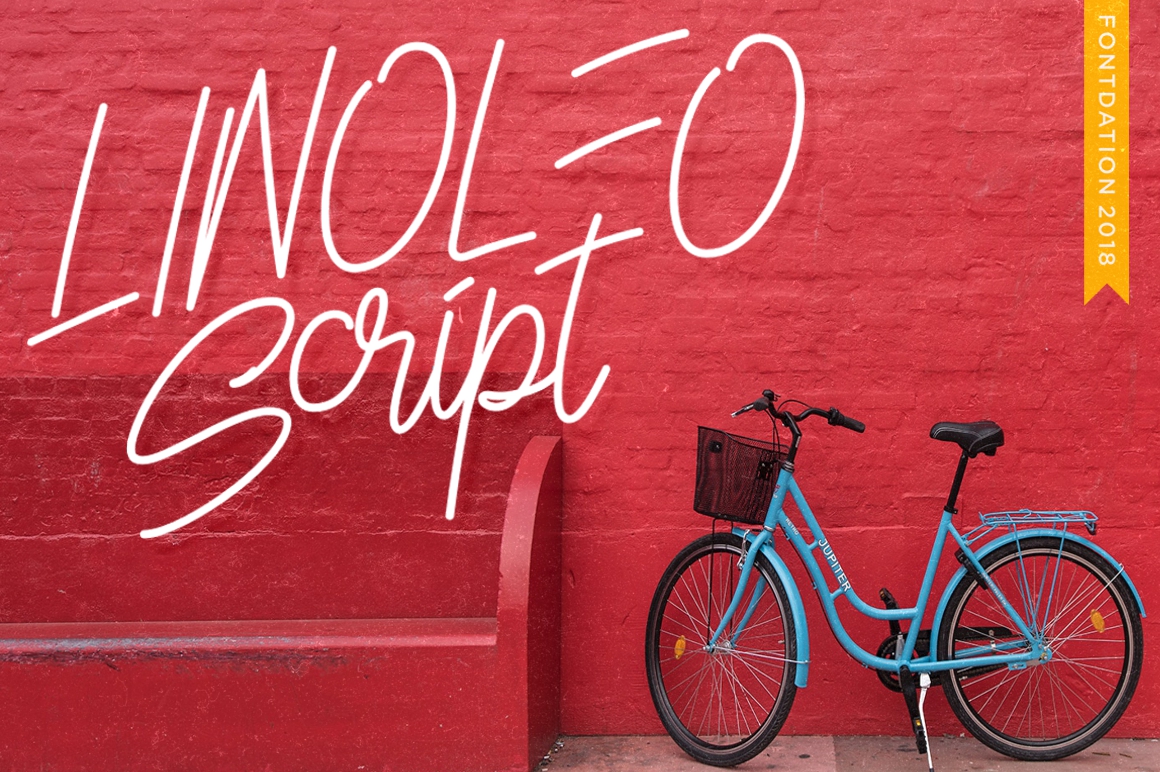
Linoleo Script is directly aligned with this movement. Unlike many script fonts that are digitally constructed from perfect curves, its letterforms are traced from actual handwriting. This process preserves the authentic imperfections—the slight wobble in a line, the unique tilt of a letter—that make handwriting feel genuine. It delivers a unique handwriting feel without sacrificing the consistency needed for professional use across websites, logos, invitations, or social media graphics.
Beyond Decoration: Practical Applications
The relevance of a font like Linoleo Script extends far beyond mere aesthetic choice. Its practical implications are felt across various creative and business workflows.
For Branding and Identity
A brand’s visual voice is crucial. For small businesses, cafes, boutique studios, or personal brands, a monoline script like Linoleo Script can serve as a foundational element. It suggests craftsmanship, attention to detail, and a human-centric approach. Because it is monoline (having a single, consistent stroke weight), it remains legible and versatile, working well on both dark and light backgrounds, from large headlines to smaller captions.
In Content Creation and Digital Media
Bloggers, content creators, and marketers constantly look for ways to make their visuals stand out. Using a font with an authentic handwritten quality can draw attention to key quotes, call-outs, or social media posts. It breaks the monotony of standard body fonts and injects a moment of personality. When introducing Linoleo Script into a design, it creates a focal point that feels organic, not manufactured.
For Personal Projects and Everyday Use
The appeal also reaches hobbyists and curious readers engaged in personal projects. Whether designing a wedding invitation, a personal journal cover, or a custom gift, the desire for something truly unique is high. Linoleo Script, inspired by modern calligraphy but captured as a usable font, allows anyone to achieve a high-quality handwritten look without needing calligraphy skills. It democratizes a beautiful style.
Adapting to Modern Workflows and Technology
A key factor in the adoption of fonts like Linoleo Script is how they fit into today’s tools and habits. Design software, from professional suites to user-friendly online platforms, has made font implementation seamless. This script font works within these ecosystems, offering a plug-and-play solution for authenticity. For the professional designer, it’s a reliable asset. For the business owner using a template-based website builder, it’s an easy way to elevate their site’s character.
Furthermore, as remote work and digital presence become permanent, the need to convey humanity through pixels increases. An email campaign header using Linoleo Script can feel more personal. A webinar slide featuring this font can seem less formal and more engaging. It addresses a modern user expectation: that digital experiences should not feel cold or impersonal.
The Evolution from Calligraphy to Digital Script
The journey of handwritten styles into digital form has evolved significantly. Early digital scripts often felt stiff and repetitive. The advancement lies in the methodology—like the careful tracing used for Linoleo Script. This approach respects the source material, allowing the digital font to retain the dynamic energy of the original pen strokes. It represents a maturation in how we translate analog artistry into scalable, functional digital assets.
People are paying more attention to this evolution because the results are tangibly better. The gap between “looking handwritten” and “feeling handwritten” is narrowing. Introducing Linoleo Script, a handwritten monoline script inspired by modern calligraphy, is a testament to this progress. It’s not mimicking handwriting; it’s directly channeling it.
Realistic Recommendations for Implementation
How can you effectively use a font with such a distinct personality? Here are some grounded observations.
- Pair with Contrast: Use Linoleo Script for headlines, logos, or emphasis, but pair it with a simple, neutral sans-serif or serif font for body text. This creates balance and maintains readability.
- Mind the Context: Its authentic feel is perfect for brands, personal projects, and creative industries. For highly technical or formal documents, it might be less suitable. Assess the emotional tone you wish to set.
- Embrace Its Uniqueness: Because the letterforms are traced from real handwriting, expect a cohesive yet non-uniform look. This is its strength. Don’t try to force perfect alignment; let its natural rhythm enhance your design.
- Test Across Media: Check its appearance on different screens and in print. Its monoline construction ensures good performance, but always verify legibility in your specific use case.
The goal is to let Linoleo Script serve its purpose: to inject a moment of authentic humanity into your work. It is a tool for connection, not just decoration.
A Forward-Looking, Yet Grounded Perspective
The demand for design elements that foster authenticity is likely to persist. As technology becomes more sophisticated, our desire to offset it with human touches grows. Fonts like Linoleo Script represent a sustainable middle path—leveraging digital efficiency while preserving analog warmth. They answer a practical need in the market for assets that are both unique and professionally reliable.
For creators, professionals, and business owners, integrating this handwritten monoline script is a considered choice. It reflects an understanding that modern audiences value both polish and personality. By choosing a font where the letterforms are carefully traced from actual handwriting, you are not just selecting a style; you are incorporating a trace of genuine human craftsmanship into your digital narrative. That is a powerful, and profoundly relevant, advantage.